
Course Information
| 福岡県立大学 >人間社会学部 |
|
Stuart Gale,
Associate Professor
Course Information |
|
|
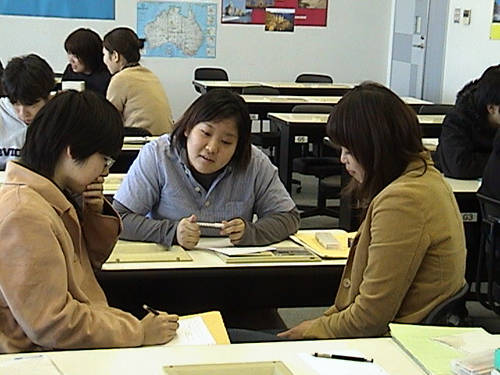
General information about the courses I teach two courses at FPU. Course 1 (英語Ⅰ, see below) is a speaking and listening course for first-year students. This course involves a lot of interesting group discussions, debates, interviews, role-plays and oral presentations. Course 2 (英語Ⅲ, see below) is a writing course for second-year students. This course involves a lot of data analysis and the production of written reports, letters, presentations, brochures and posters. Both courses require students to use computers, particpate in group projects and contribute to the stimulating and fun atmosphere of the class! |
 |
|
Course Syllabuses Course 1 : Speech communication (英語Ⅰ) This is a required course for all first year students in the Faculty of Integrated Human Studies and Social Sciences. All students are required to have the following textbook by the second class: IMPACT VALUES by R.R. Day, J. Yamanaka and J. Shaules (Longman, 2003). CLASS 1: Information about the course and why learning English is important. Advice on how to become a better speaker of English. CLASS 2: Television, the media and you. CLASS 3: Marriage trends and customs. CLASS 4: Petty crime and antisocial behaviour. CLASS 5: Infidelity and divorce. CLASS 6: Bullying and domestic violence. CLASS 7: Career women and gender roles. CLASS 8: Attitudes to homosexuality and gay rights. CLASS 9: Unwanted pregnancy, abortion and single mothers. CLASS 10: Saving mother earth (environmental issues). CLASS 11: An aging society and caring for the elderly. CLASS 12: Alcohol, tobacco and addiction. CLASS 13: Parasite and boomerang children. CLASS 14: Speaking Test (speech/interview). CLASS 15: Listening Test. Course 2 : Writing (英語Ⅲ) This writing course is for second-year students. All students are required to have the following book by the second class: 朝日データ年鑑 2006 ジャパン・アルマナック. FIRST SEMESTER, CLASS 1: Information about the course; why reading and writing in English is important. FIRST SEMESTER, CLASS 2: Television, information and advertising. FIRST SEMESTER, CLASS 3: Marriage trends and customs. FIRST SEMESTER, CLASS 4: Crime and punishment. FIRST SEMESTER, CLASS 5: Divorce. FIRST SEMESTER, CLASS 6: Bullying and abuse. FIRST SEMESTER, CLASS 7: Sexism and gender roles. FIRST SEMESTER, CLASS 8: Homosexuality and gay rights. FIRST SEMESTER, CLASS 9: Pregnancy, abortion and the birth rate. FIRST SEMESTER, CLASS 10: Environmental issues. FIRST SEMESTER, CLASS 11: Coping with an aging society. FIRST SEMESTER, CLASS 12: Smoking and the tobacco industry. FIRST SEMESTER, CLASS 13: Living with one's family versus living alone. FIRST SEMESTER, CLASS 14: Pre-exam review. FIRST SEMESTER, CLASS 15: Exam (a short essay or written report). SECOND SEMESTER, CLASS 1: Information about the second semester; summer diary review. SECOND SEMESTER, CLASS 2: Caring for the handicapped. SECOND SEMESTER, CLASS 3: Sleeping in class and other educational problems. SECOND SEMESTER, CLASS 4: The pros and cons on internationalization. SECOND SEMESTER, CLASS 5: The whaling issue. SECOND SEMESTER, CLASS 6: Corporal punishment and capital punishment. SECOND SEMESTER, CLASS 7: Junk food and a healthy diet. SECOND SEMESTER, CLASS 8: The North Korean hostage issue. SECOND SEMESTER, CLASS 9: Child labour and stage school kids. SECOND SEMESTER, CLASS 10: Gun ownership in the U.S. and Japan. SECOND SEMESTER, CLASS 11: Pet ownership and animal rights. SECOND SEMESTER, CLASS 12: Employment issues. SECOND SEMESTER, CLASS 13: Japan's entertainment industry. SECOND SEMESTER, CLASS 14: Pre-exam review. SECOND SEMESTER, CLASS 15: Exam (a short essay or written report). |
|
Copyright: Stuart Gale (2007) |